

6 REAL Reasons Why You Need A Mobile-Optimized Website
We’ve all heard the saying, “If you build it, they will come.” But what about that other saying: “If you build it right, they&...
Ever wonder why some backlinks help your website rank higher and others… don’t? You’re not alone. There’s a lot of confusion out there about nofollow and dofollow links, and today, we’re clearing it up once and for all.
In this article, I’m breaking it down the real deal on how these links work, why both matter, and how you can make the most of them to grow your brand and boost your rankings.
Before we talk about nofollow and dofollow, we’ve gotta cover the basics.
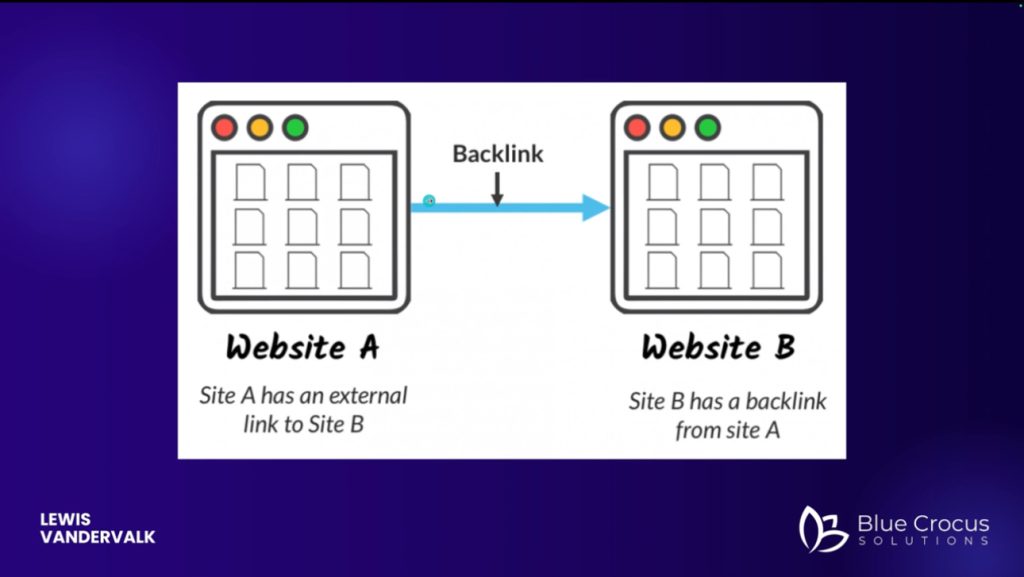
A backlink happens when one website (let’s call it Website A) links over to another website (Website B). If that other site is linking to your site, congrats—that’s a backlink for you.
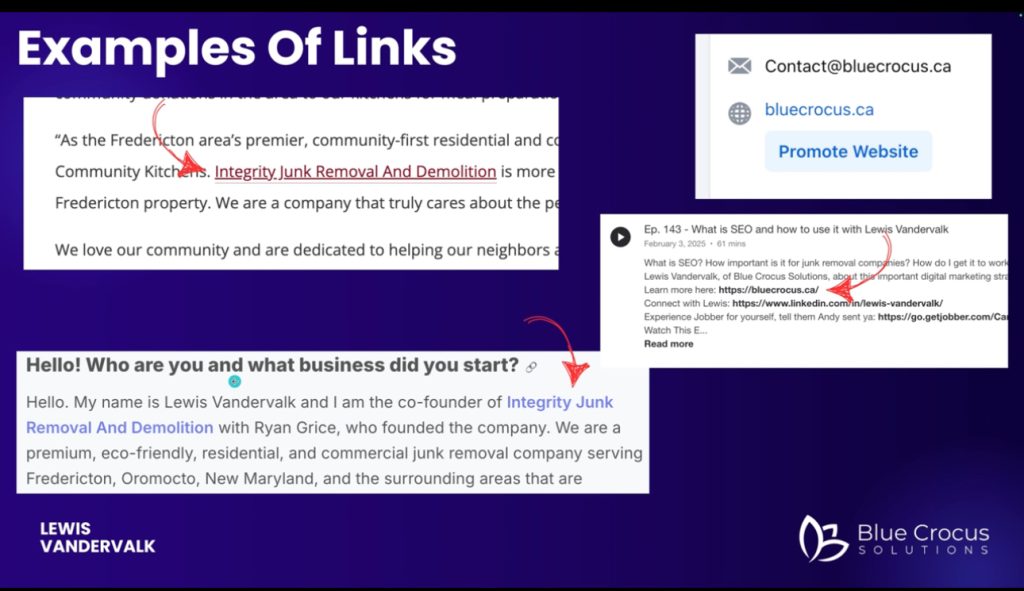
For example, Integrity Junk Removal gets backlinks from:
A community article
A podcast episode write-up
An industry article mentioning their services
That’s how backlinks work—they’re those clickable links you see in blog posts, news articles, or even forum threads.
Now, here’s where it gets juicy.
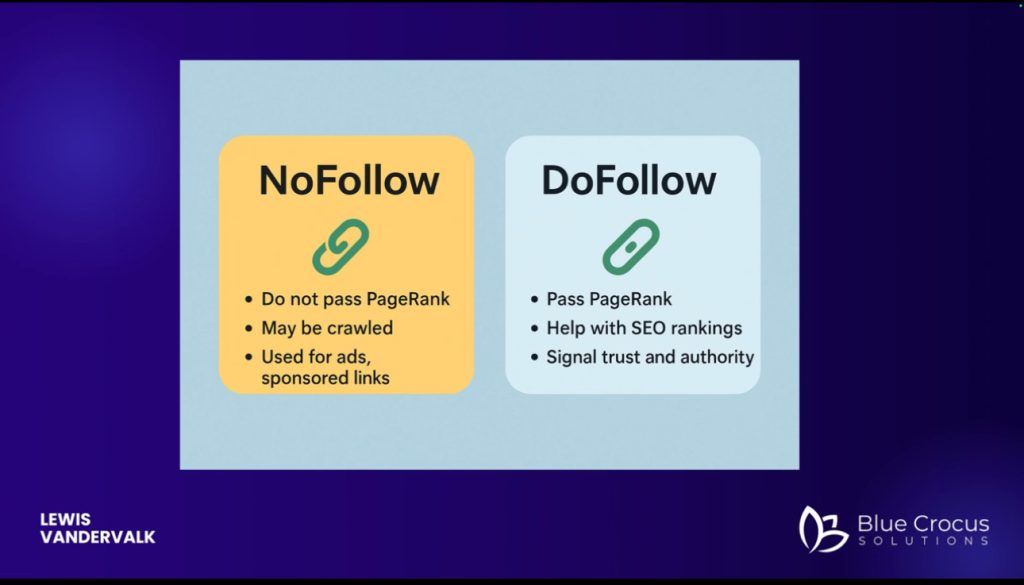
These are the MVPs of backlinks. Why? Because they pass SEO juice (also known as PageRank) from the site linking to you.
If a high-authority site links to your page with a dofollow link, Google takes notice. It sees that as a vote of confidence, which can help bump your site up in the rankings.
These guys? They tell Google, “Hey, don’t pass any SEO juice here.”
At least, that’s the claim. But here’s the thing: nofollow links can still be super valuable.
Think about it. If Wikipedia links to your site (yep, they use nofollow), that’s huge. Not just because of potential SEO value, but because real people see that link and click on it. Same goes for Reddit, forums, or social media posts—they might use nofollow, but the visibility and traffic are real.
And just between us? Google still pays attention to these links. It might not give you a direct SEO boost, but brand visibility, traffic, and trust? Oh yeah, those are on the table.
Absolutely.
Some folks might tell you nofollow links aren’t worth it. But I’m here to tell you: they are.
Even Google treats nofollow as more of a hint these days, not a strict rule. So when you get a nofollow link from a trusted site? It still counts for something.
Plus, back in the day, SEO pros suggested keeping a natural backlink ratio:
70–90% dofollow links
10–30% nofollow links
That way, your backlink profile looks legit—not like you’re gaming the system.
Dofollow = SEO juice flows
Nofollow = no direct juice, but still valuable for traffic, trust, and visibility
You want both in your backlink mix
Want to see if a backlink is working its SEO magic? Here’s how to check:
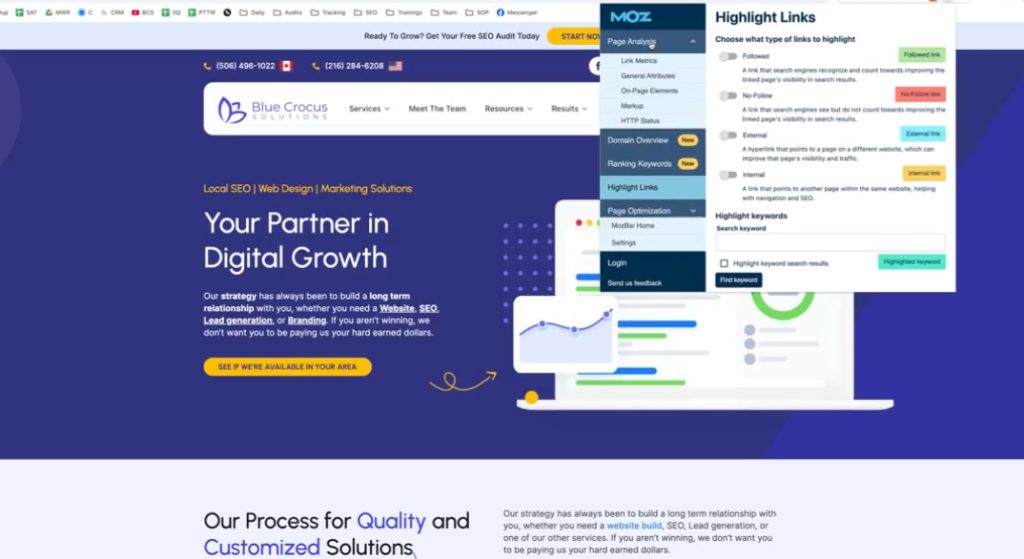
Install MozBar from the Google Chrome store.
Open it up and head to the Highlight Links section.
Toggle on followed and nofollowed links.
Now you can spot which links on any page are giving you SEO juice—and which aren’t.
And hey, if you’ve scored a backlink that’s nofollow? Don’t be shy—reach out and ask if they’d consider switching it to dofollow. Sometimes all it takes is a quick ask.