

6 REAL Reasons Why You Need A Mobile-Optimized Website
We’ve all heard the saying, “If you build it, they will come.” But what about that other saying: “If you build it right, they&...
You’re not invisible because your service sucks. You’re invisible because your website is.
Too many great local businesses get buried online, especially trades, junk removal, paving, plumbing—you name it. And it’s not because they aren’t good at what they do. It’s because they don’t know how to make Google see them.
The truth is, SEO isn’t magic. But it does require strategy, and consistency.
This is the no-BS, step-by-step guide to real local SEO. We’re talking about: ranking service pages in multiple cities, using tracking numbers without destroying your NAP, unlocking backlinks from places most people never think to look, leveraging Google Search Console and ChatGPT like a pro, and creating content that’s both useful for customers and irresistible to Google.
That’s the mindset shift that changes everything.
If you want to win in multiple cities, one homepage and a “Services” tab isn’t going to cut it. You need dedicated, optimized, location-specific pages.
Want to rank for junk removal in Minneapolis? Then you better have a page called /junk-removal-minneapolis, not just a bullet point on a service list.
Same goes for hot tub removal, appliance removal, furniture pickup, estate cleanouts. Every service, every location—it needs a page.
One page for each service
One page for each location
Ideally: one page for each service in each location
That means:
/junk-removal-sacramento
/appliance-removal-roseville
/hot-tub-removal-san-jose
Each of these pages should be unique. Don’t just copy and paste. Write specifically for that city’s audience. Mention landmarks, local neighborhoods, even local issues if relevant (“we handle tough access jobs in hilltop homes in Auburn”).
Google’s Local Algorithm gives priority to localized, highly relevant content. If you build it the right way and structure it well, you’ll show up where others won’t.
We helped a client in a town of 80,000 dominate for 10+ local keywords. They scaled from $0 to $30K/month in under six months. Within 18 months, they were clearing $70K monthly from a handful of local pages alone.
NAP = Name, Address, Phone number
Google likes consistency. If your business phone number is 555-555-5555 on your website but shows up differently on your Google Business Profile or Yelp, you’re creating confusion.
But tracking numbers are useful, right? You want to know where leads come from.
Here’s the fix:
Hard-code your real business number into your website’s code.
Use tools like WhatConverts or CallRail to dynamically swap visible phone numbers for users, while keeping the core number in your site’s HTML.
On Google Business Profile, use your tracking number as the primary number, and your real number as the secondary.
Google sees the real one. You track conversions. Win-win.
Fun fact: Business credit lenders use NAP consistency too. Mismatched info can get you denied for loans and credit.
If you don’t have Google Search Console set up, do that today.
Here’s what it does:
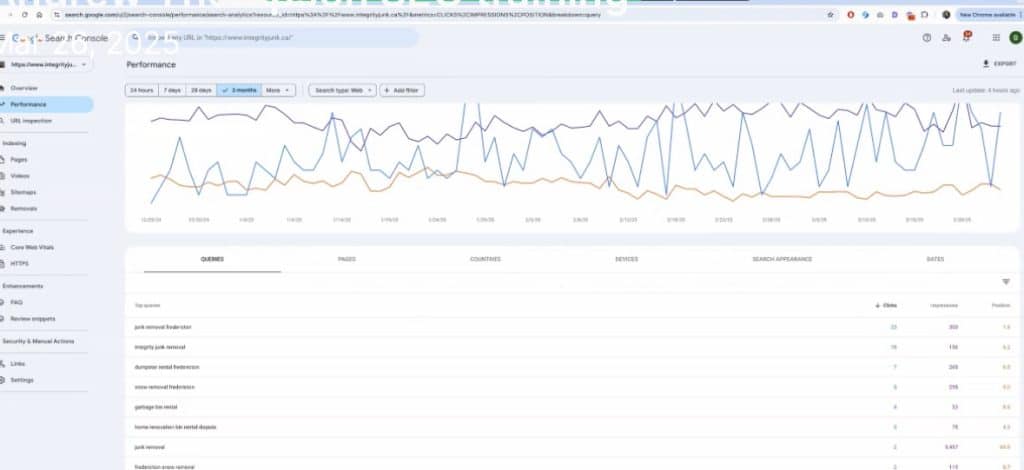
Tells you what queries people type when your site shows up
Lets you request indexing when you launch a new page
Helps you see what’s actually getting impressions
Gives insights by page, keyword, and region
We filtered by the term “junk removal” in one of our clients’ accounts. Found dozens of impressions for related queries like:
“hot tub removal”
“furniture pickup”
“scrap metal removal”
We used that intel to create individual pages for each. Rankings rose. Calls came in.
Don’t guess what content to create. Look at what Google is already showing you for free.
Want to see all the keywords your site ranks for that include “junk removal”?
Go to Performance > Queries > Filter by query and enter “junk removal”.
You might discover you’re showing up for “junk removal cost” or “junk removal near me free estimate”—keywords you haven’t even written content for. Now you know what pages to build next.
Use this data to:
Prioritize new blog posts
Update underperforming pages
Build internal links between related topics
Bonus Tip:
Use site:yourdomain.com/page-url to check if a page is indexed.
ChatGPT & Content: How to Use It (Without Getting Penalized)
AI content isn’t the enemy. Low-effort content is.
Use ChatGPT to:
Generate FAQ ideas
Create outlines based on “People Also Ask” results
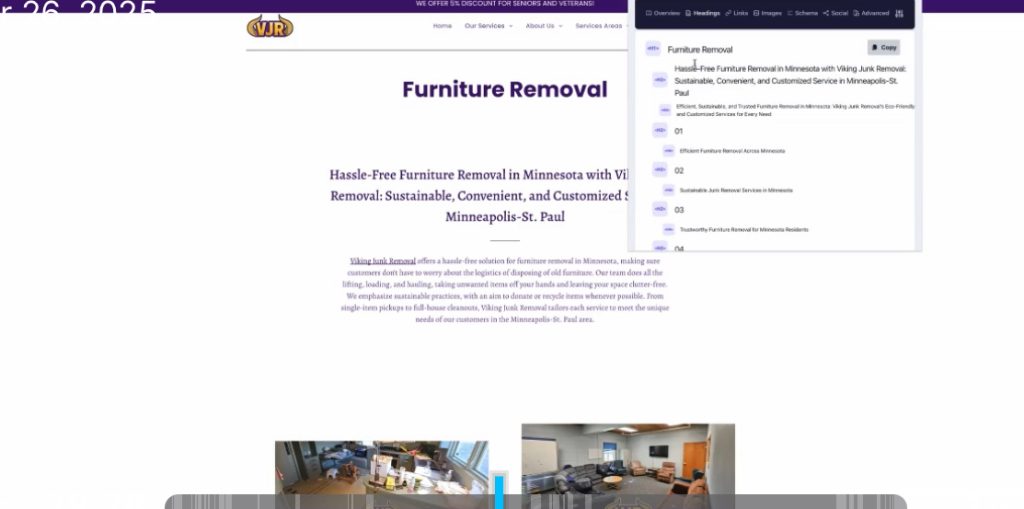
Rewrite competitors’ headers (from tools like Detailed SEO Extension)
Brainstorm blog topics
But always add your flavor:
Mention real clients and jobs
Drop in pricing ranges
Explain your process
Add location-specific language
Embed YouTube videos showing your crew in action
Google isn’t trying to penalize AI. It’s penalizing useless content.
When building a service page, here’s what to include:
H1 title: “Furniture Removal in Minneapolis”
Intro paragraph with the keyword and city
Pricing section – even if it’s a range or minimum
Process section – walk customers through how it works
FAQ section – answer real questions from Google
Embedded video – 30-second explainer builds trust
Internal links to related services and city pages
Make the page useful enough that you’d hire yourself.
This came up in the session when we looked at Contra Costa County (population: 1.2M).
Should you build a “Junk Removal Contra Costa County” page?
Short answer: No.
Google prioritizes cities over counties when returning local search results.
If you’re in a county with 20+ small towns:
Make a Service Area page showing all towns
Start building pages for the top 5-10 cities by population
Add more over time—each one should be unique
Yes, it’s work. But if your competitors aren’t doing it… you just earned a monopoly.
Google still heavily values backlinks—but not all links are equal.
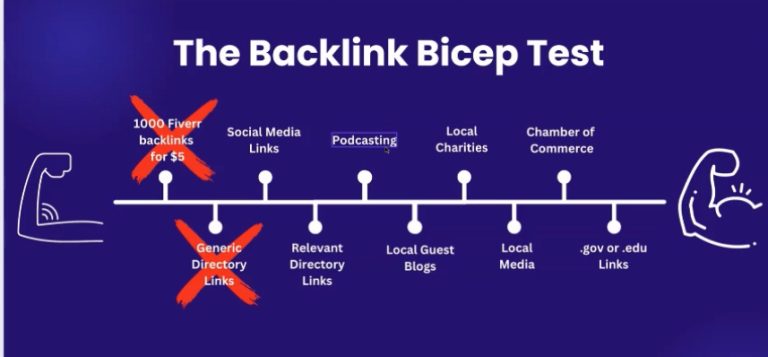
| Link Type | Value |
|---|---|
| .gov / .edu (discount pages, alumni) | 💥💥💥💥💥 |
| Chamber of Commerce | 💥💥💥💥 |
| Charities & Event Sponsorships | 💥💥💥💥 |
| Guest blogs on real business sites | 💥💥💥 |
| Podcasts & YouTube interviews | 💥💥💥 |
| Social profiles | 💥 |
| Fiverr spam blasts | ❌ No. Just no. |
Listed on the Indiana State Government’s employee discount page (DR 90+)
Got into Indiana University’s alumni perks directory
Sponsored a local marathon → parked a truck → received blog coverage + backlink
We got a client listed on the Indiana State Government’s employee benefits page. DR 90+. Insanely powerful link.
We’ve also donated junk removal services to charities, and in exchange, got featured on their blog and newsletter.
Pro Tip: Offer student discounts to universities and get listed in their .edu directory. That backlink is pure SEO gold.
Offer 10% off. Reach out. Ask to be listed. Most people won’t. That’s why it works.
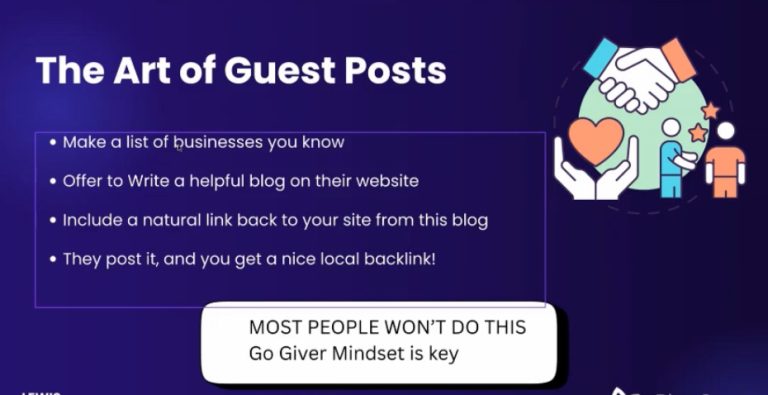
Reach out to:
Realtors
Property managers
Stagers
Flippers
Lawyers
Moving companies
Offer to write a blog like:
“5 Things to Do Before Selling Your House”
“How to Prep a Property After a Tenant Moves Out”
Slip in:
“Need junk removal help? Contact XYZ Company.”
They get free content. You get a backlink. Their customers become yours.
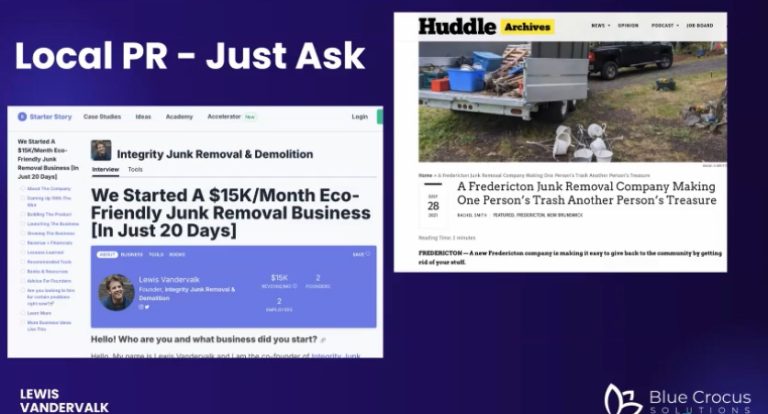
Local media are hungry for good stories. Pitch something like:
“Refinery Worker Turned Junk Hauler Builds 6-Figure Business”
“Local Business Sponsors Toy Drive With a Twist”
“How This Dad of Four Runs a Business That Clears 50 Tons a Week”
Or start your own short-format podcast.
Interview local businesses. Publish to YouTube and Spotify. Keep episodes to 10 minutes. Title it “The Local Hustle Show” or something similar.
Embed those videos on your site—now you’ve got content, backlinks, and local partnerships all in one move.
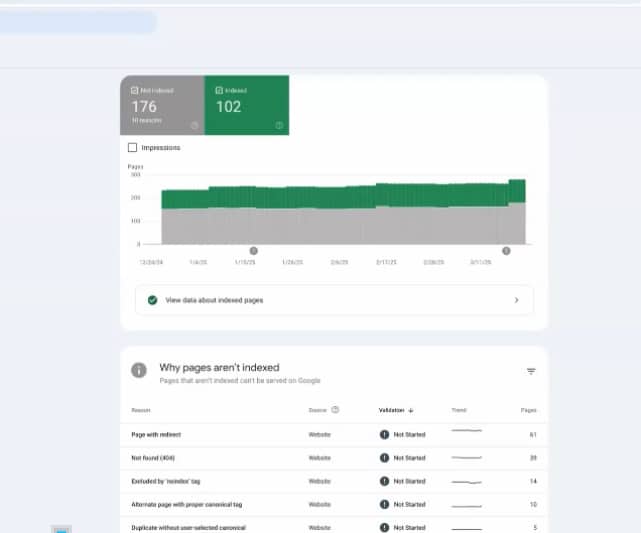
Google won’t index every page on a huge site unless it sees value.
To increase your odds:
Add internal links to all pages
Submit new pages in Search Console
Avoid duplicate or copy/paste pages
Customize content with city-specific examples, language, and pricing
Inside Search Console:
Go to Pages > “Discovered – currently not indexed”
Re-index or fix as needed
You don’t need to do all of this today. But you do need to start somewhere.
Build a city-specific page.
Record a 1-minute explainer video.
Get listed on a .edu or .gov site.
Create a real pricing section.
Spend one hour a week on SEO. Do it consistently. That’s 52 hours this year that your competitor won’t put in.
And that’s how you win.
Let’s go build something unstoppable.